Blog
Organic vs Non-Organic Food: What’s the Difference? (2026 Guide)
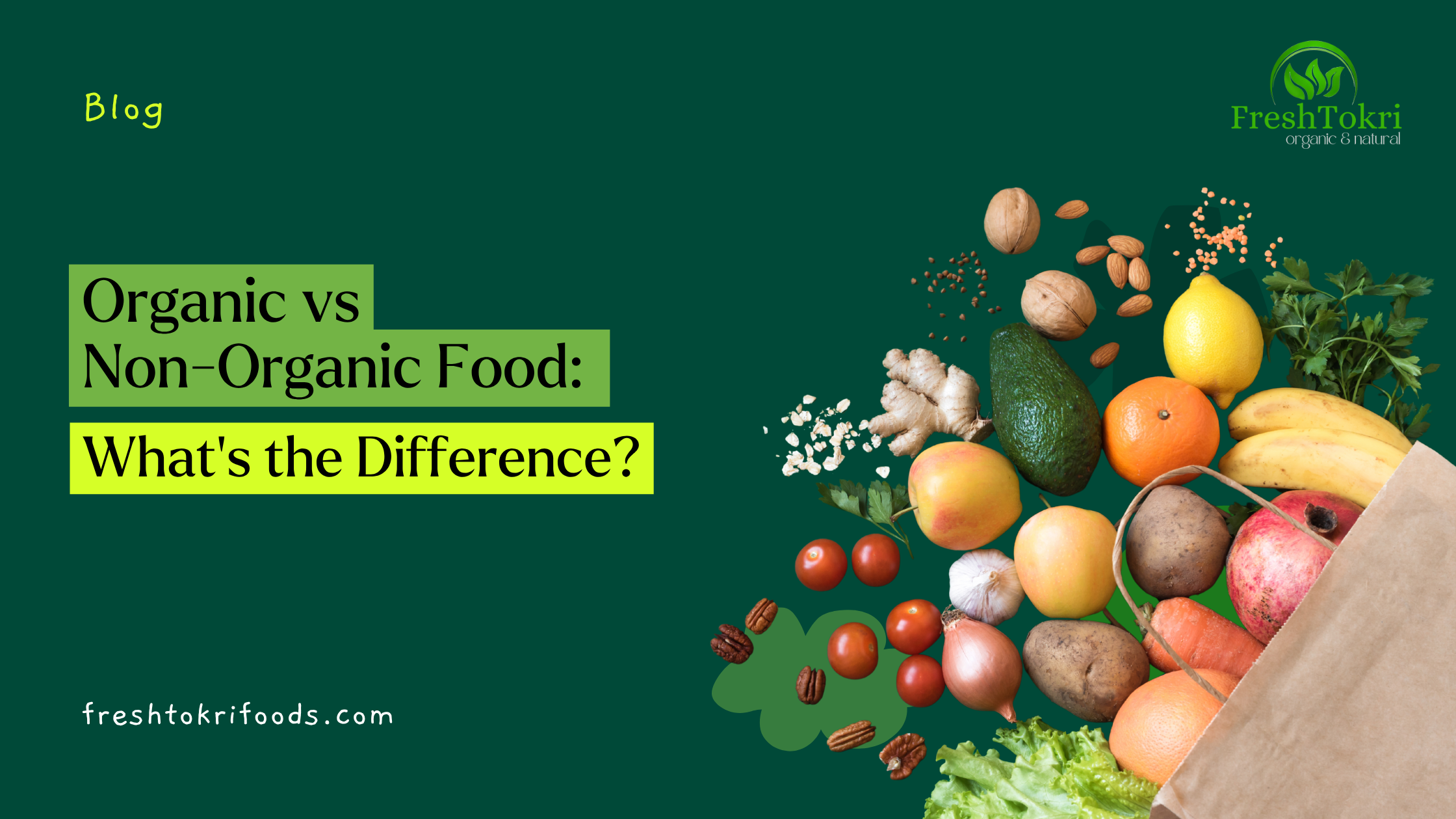
Organic Products Egypt are grown without synthetic chemicals, pesticides, or genetically modified organisms (GMOs), while non-organic food may use chemical fertilizers, pesticides, and artificial additives during production.
Introduction
With rising awareness about health and sustainability, more people are shifting towards Organic Products Egypt. But what exactly makes organic food different from non-organic food?
Understanding this difference is essential for making better food choices for your health and your family. In this guide, we break down everything you need to know about organic vs non-organic food.
What Are Organic Products?
Organic Products Egypt are grown and processed using natural methods without harmful chemicals, synthetic fertilizers, or GMOs. These products focus on maintaining soil health, biodiversity, and environmental sustainability.
Common examples include:
- Organic grains
- Organic lentils
- Natural spices
- Cold-pressed oils
What Are Non-Organic Foods?
Non-organic foods are produced using conventional farming methods. These may involve:
- Chemical fertilizers
- Pesticides
- Growth hormones
- Artificial preservatives
While they are often more affordable, they may lack the purity and nutritional benefits of Organic Products.
Key Differences Between Organic and Non-Organic Food
Farming Methods
- Organic: Uses natural fertilizers and eco-friendly methods
- Non-Organic: Uses synthetic chemicals and pesticides
Nutritional Value
Organic food is often richer in nutrients like antioxidants and vitamins due to natural growing practices.
Healthy staples like grains and millets are better when organic:
Indian Grains & Millets
Chemical Exposure
- Organic: No harmful chemical residues
- Non-Organic: May contain pesticide residues
This is a major reason why consumers prefer Organic Products.
Taste & Freshness
Organic food is often fresher and more flavorful because it is grown naturally and processed with minimal intervention.
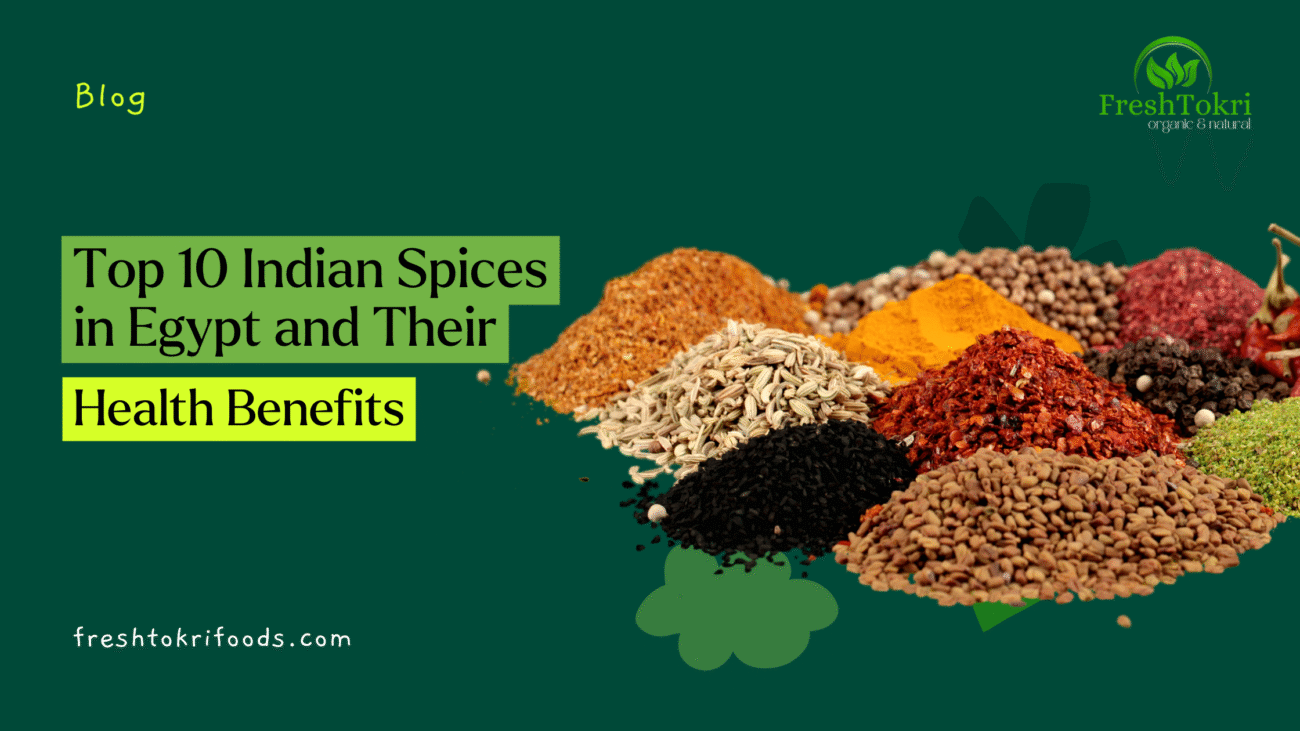
Check fresh spices and herbs:
Indian Spices Collection
Environmental Impact
Organic farming supports:
- Soil health
- Water conservation
- Reduced pollution
Non-organic farming can negatively impact the environment due to chemical usage.
Why Organic Products Egypt Are Gaining Popularity
The demand for Organic Products is increasing globally due to:
- Growing health awareness
- Demand for chemical-free food
- Sustainable farming practices
- Better taste and quality
According to global food safety insights:
World Health Organization (WHO)
Healthy diets with natural foods play a key role in long-term well-being.
Organic Food in Everyday Cooking
You can easily switch to Organic Products Egypt in your daily meals by choosing:
- Organic lentils and pulses
Explore Lentils & Pulses - Organic flours and grains
Browse Flours & Grains - Natural spices and herbs
Premium Indian Spices
Making small changes can significantly improve your health and lifestyle.
Which One Should You Choose?
Choosing between organic and non-organic depends on your priorities:
Choose Organic If:
- You want chemical-free food
- You prefer better nutrition
- You care about sustainability
Choose Non-Organic If:
- Budget is a concern
- Availability is limited
However, for long-term health benefits, Organic Products are often the better choice.
Final Thoughts
The difference between organic and non-organic food goes beyond just farming methods—it directly impacts your health, environment, and lifestyle.
With increasing awareness, more people are choosing Organic Products Egypt for their purity, nutritional value, and sustainability. Platforms like FreshTokri Foods make it easier to access high-quality organic groceries for everyday use.
Making the switch to organic is a step toward a healthier and more conscious way of living.