Blog
Best Basmati Rice In Egypt; Types, Benefits & How to Choose
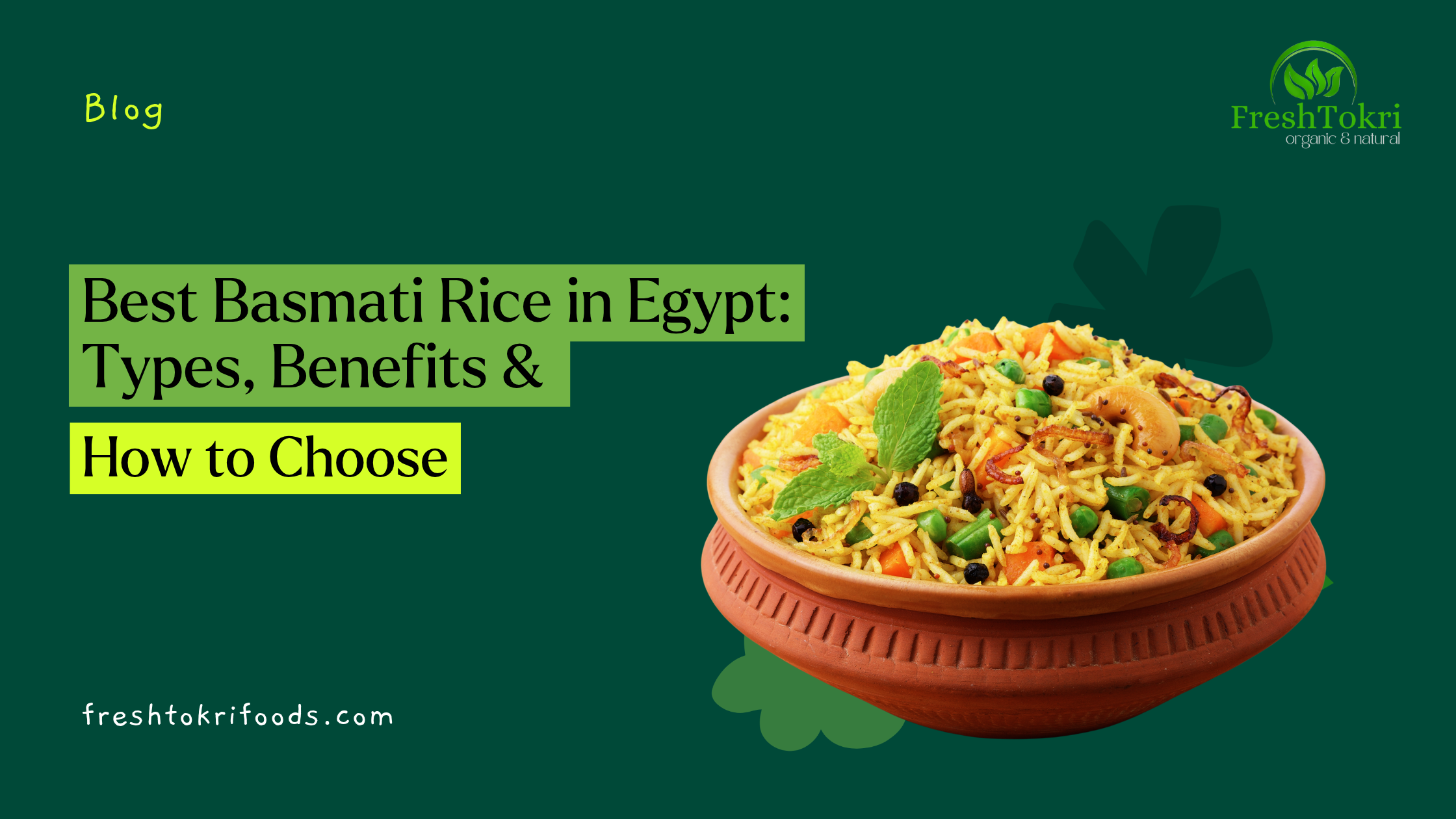
Rice is an important part of everyday meals in Egypt. From family lunches to special occasions, it is used in many traditional and international dishes. But choosing the right rice can make a big difference to the taste, texture and overall quality of your meal.
If you are searching for the best Basmati rice in Egypt, it is important to understand its different varieties, cooking qualities and uses. Basmati rice is known for its long, slender grains, delicate aroma and fluffy texture. It is a popular choice for biryani, pulao, grilled meat dishes and many other recipes.
In this guide, we will explore the different types of Basmati rice, their uses, nutritional qualities and what to look for when buying good-quality rice.
What Is Basmati Rice?
Basmati rice is a long-grain variety known for its natural aroma and distinctive texture. The word Basmati is commonly associated with fragrance, which reflects one of its most recognised qualities.
Unlike many shorter-grain rice varieties, Basmati grains are long and slender. When cooked properly, they become fluffy and separate easily instead of sticking together.
Basmati rice is widely used in South Asian and Middle Eastern cooking. It works especially well in dishes where the rice needs to remain light, aromatic and separate.
Types of Basmati Rice Available in Egypt
Not all Basmati rice is the same. Different processing methods create different colours, textures and cooking characteristics. Here are some common varieties you may come across when shopping for Basmati rice in Egypt.
1. White Basmati Rice
White Basmati rice is one of the most popular varieties. Its outer husk, bran and germ are removed during processing, giving the grains their familiar white appearance.
Key features:
- Long and slender grains.
- Light texture when cooked.
- Delicate natural aroma.
- Suitable for everyday meals.
Best uses: Biryani, pulao, rice bowls, grilled chicken and meat dishes.
2. Brown Basmati Rice
Brown Basmati rice retains its bran layer, which gives it a light brown colour and a slightly nutty flavour. It generally contains more dietary fibre than refined white rice.
Key features:
- Naturally nutty flavour.
- Chewier texture.
- Contains more fibre than white Basmati rice.
- Usually requires a longer cooking time.
Best uses: Healthy meal bowls, vegetable rice, salads and everyday balanced meals.
3. Golden Basmati Rice
Golden Basmati rice has a golden appearance due to its processing method, commonly associated with parboiling. This process changes the grain’s colour and cooking characteristics.
Key features:
- Distinctive golden colour.
- Firm grain texture.
- Grains tend to remain separate after cooking.
- Suitable for dishes that need a well-defined rice texture.
Best uses: Biryani, pulao, rice platters and large family meals.
Why Is Basmati Rice a Popular Choice?
Basmati rice is appreciated for more than its appearance. Its aroma, texture and versatility make it suitable for many different meals.
1. Naturally Aromatic
One of the main qualities of Basmati rice is its pleasant natural aroma. It adds a distinctive fragrance to dishes without requiring too many additional ingredients.
2. Long, Separate Grains
When cooked correctly, Basmati rice expands in length and remains light and fluffy. This makes it a good choice for biryani, pulao and other rice-based dishes.
3. Versatile for Different Recipes
Basmati rice can be used in everyday meals as well as special recipes. It pairs well with vegetables, lentils, chicken, fish, grilled meat and different spices.
4. A Source of Energy
Rice provides carbohydrates, which are an important source of energy for the body. Brown Basmati rice also retains more fibre than white Basmati rice because its bran layer remains intact.
5. Easy to Pair with Different Foods
Its mild flavour makes Basmati rice easy to combine with different cuisines. It works with Indian curries, Middle Eastern grilled dishes and simple vegetable meals.
How to Choose the Best Basmati Rice in Egypt
When buying Basmati rice, do not focus only on the price or packaging. A few simple checks can help you select a suitable product.
Check the Grain Length
Look for long, slender and reasonably uniform grains. Broken grains can affect the final appearance and texture of your cooked rice.
Look at the Colour
Good-quality white Basmati rice should have a fairly consistent natural colour. Brown Basmati should retain its characteristic brown appearance, while golden Basmati has a golden shade.
Check the Aroma
Basmati rice is known for its natural fragrance. A pleasant, characteristic aroma is one of the qualities to look for when assessing the rice.
Read the Packaging Information
Always check the product name, net weight, country of origin, packaging date and best-before date. Proper product information helps you make a more informed choice.
Choose According to Your Recipe
Think about how you plan to cook the rice. White Basmati works well for everyday meals, brown Basmati is a good option when you prefer a higher-fibre grain, and golden Basmati is useful for dishes that need a firmer texture.
How to Cook Basmati Rice Perfectly
Cooking Basmati rice properly helps bring out its aroma and gives the grains a light, fluffy texture.
Follow these simple steps:
Step 1: Rinse the Rice
Place the rice in a bowl and rinse it gently with clean water two or three times. This helps remove excess surface starch.
Step 2: Soak the Rice
Soak the rice in water for around 20–30 minutes. This can help the grains cook more evenly. Drain the water before cooking.
Step 3: Measure the Water
The amount of water depends on the variety, soaking time and cooking method. For stovetop cooking, a starting ratio of approximately 1 part rice to 1.5–2 parts water can work for many white Basmati varieties. Always follow the product instructions and adjust as needed.
Step 4: Cook on Low Heat
Bring the water to a boil, add the rice and cover the pot. Reduce the heat and cook until the grains are tender and the water is absorbed.
Step 5: Let It Rest
Turn off the heat and allow the rice to rest, covered, for about 5–10 minutes. Gently fluff the grains with a fork before serving.
Best Dishes to Prepare with Basmati Rice
Basmati rice is a flexible ingredient that can be used in many recipes. Here are a few popular ideas:
- Chicken Biryani: A flavourful rice dish prepared with chicken, aromatic spices and herbs.
- Vegetable Pulao: Rice cooked with mixed vegetables and mild spices.
- Kabsa: A popular Middle Eastern rice dish commonly prepared with meat, chicken and spices.
- Grilled Chicken Rice: Fluffy Basmati rice served with grilled chicken and vegetables.
- Rice Bowls: Combine cooked Basmati rice with vegetables, beans, lentils or your preferred protein.
These dishes show how easily Basmati rice fits into both everyday cooking and special meals.
Where to Buy Basmati Rice Online in Egypt?
Finding good-quality rice is important for preparing delicious meals at home. When shopping online, look for a trusted grocery store that provides clear product information, proper packaging and a convenient shopping experience.
At FreshTokri Foods, you can explore a range of rice and everyday grocery products, including different varieties of Basmati rice. Whether you prefer white, brown or golden rice, choosing the right variety can help you prepare meals that suit your cooking style.
Explore the FreshTokri rice collection and find the right option for your kitchen.
Shop Rice at FreshTokri Foods: https://freshtokrifoods.com/product-category/rice/
Frequently Asked Questions About Basmati Rice
1. Which Basmati rice is best for biryani?
Long-grain white or golden Basmati rice is commonly used for biryani. Both can produce separate grains when prepared correctly.
2. Is Basmati rice available in Egypt?
Yes. Basmati rice is available through grocery stores and online food retailers in Egypt. Check product details and packaging information before purchasing.
3. What is the difference between white and brown Basmati rice?
White Basmati rice has its bran layer removed during processing, while brown Basmati retains it. Brown Basmati generally contains more dietary fibre and has a nuttier flavour.
4. Should Basmati rice be soaked before cooking?
Soaking Basmati rice for around 20–30 minutes can help the grains cook more evenly. However, the ideal soaking time may vary by variety.
5. Why does Basmati rice become sticky?
Too much surface starch, excess water or overcooking can make rice sticky. Rinsing the grains, measuring water carefully and avoiding excessive stirring can help.
6. Is brown Basmati rice healthier than white Basmati rice?
Brown Basmati rice generally contains more fibre because it retains its bran layer. Both varieties can be included in a balanced diet, depending on individual food preferences and nutritional needs.
7. How should Basmati rice be stored?
Keep uncooked rice in an airtight container in a cool, dry place away from moisture and direct sunlight. Always follow the storage instructions on the packaging.
Final Thoughts
Choosing the best Basmati rice in Egypt depends on your cooking needs, preferred texture and the type of meals you enjoy. White Basmati is a versatile everyday option, brown Basmati offers more fibre, and golden Basmati is valued for its firm texture.
Before buying, check the grain quality, product information and packaging details. With the right variety and proper cooking method, you can enjoy fragrant, fluffy rice with a wide range of meals.
Explore the rice collection at FreshTokri Foods and choose a variety that suits your kitchen.